


Faceauty: Face Yoga Exercise
4.265.00 Reviews
App Specs
- Version
- 4.2.0
- Updated On
- License
- Free
- Downloads
- 100,000+
- Developer
- VDMNSZK Ltd.
- Categories
- Beauty
- Platform
- Android
Screenshots



 Analysis by AppCompare
Face exercises are easier to keep up with when they fit into an ordinary day rather than feeling like another demanding beauty routine. I’d treat Faceauty: Face Yoga Exercise as a guided prompt to slow down and focus on facial movement, not as a promise of a particular look. That distinction matters in a shared home: the app can be part of a personal wind-down, while the phone or tablet it runs on may belong to everyone.
Making a shared-device routine feel personal
Picture a family tablet left on the kitchen counter. One person might open Faceauty after washing up, follow a short exercise, then hand the device back so someone else can use it. That kind of casual turn-taking can work well for an activity that does not require a private room or special equipment. I’d still choose a moment when you can concentrate; trying to follow facial movements while another person is scrolling or talking nearby makes the guidance less useful.
On a shared device, I would avoid treating visible progress or saved preferences as communal by default. Before using any app together, it is sensible to check what appears on screen and whether the next person can see the previous person’s activity. I wouldn’t assume Faceauty has separate household profiles or privacy controls. If keeping routines distinct matters, using your own device is the simpler boundary; otherwise, take turns without entering information you would not want another household member to see.
Small coordination choices make practice easier
A household routine does not need a family schedule. One practical approach is to agree on a quiet time when the device is usually free, then keep the session flexible if plans change. If you share reminders or calendars on the device, be thoughtful about whether a personal beauty prompt belongs there. A reminder can help the person who wants one, but it may be distracting or confusing for everyone else when it appears on a shared screen.
I also find it useful to decide in advance whether the app is for individual practice or something you want to explore together. Doing the movements side by side can make an unfamiliar routine feel less awkward, but people may have different comfort levels about facial exercises and appearance-focused goals. There is no need to turn a personal self-care habit into a group commitment. Letting each person opt in keeps the experience relaxed.
Age context and realistic expectations
Faceauty is rated Everyone, so its content is presented for a broad audience. In a household with younger users, I would still frame facial exercises as an optional relaxation or movement activity, rather than a way to fix supposed flaws. That is a healthier conversation around beauty apps in general, especially when children are sharing devices with adults. The app’s focus is facial exercise and face-health tips; it should not be treated as medical care or a substitute for advice from a qualified professional.
The app is free to download, with optional in-app purchases ranging from $0.99 to $39.99 per item. That makes it worth checking the purchase flow before handing a shared device to someone else, particularly if payment settings are already available on it. I would not assume that a free download means every part of the experience is included. If you want to avoid accidental spending, keep purchases under the account holder’s supervision and make expectations clear before another person starts exploring.
Worth Reading Before You Choose

EA SPORTS FC Mobile 26 Is a Bigger Football Game, but It Takes Time

Flipboard Shows What News Apps Must Do Beyond the Feed

Switching to Android Auto Means Rethinking Your Driving Routine

Google Calendar Makes a Crowded Week Easier to Manage

Ludo King Makes the Most of the Minutes Between Plans

Baby Panda World Brings Quick Play to Modern Phones, but Its Game Library Feels Busy
Getting Started with Faceauty
First things first, downloading the app is a breeze. Available on both Android and iOS, it’s just a couple of taps away. Once you’ve installed it, the fun begins. The interface is super friendly, and you’re greeted with a warm introduction to what face yoga is all about. If you’re like me, you might be skeptical at first, but the app does a great job of walking you through the benefits and basics.
Features that Stand Out
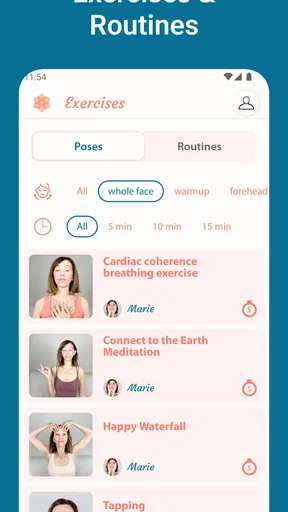
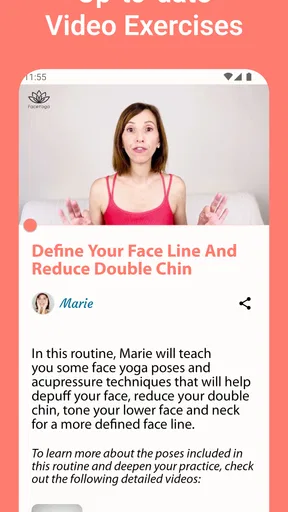
Let’s talk about what makes Faceauty: Face Yoga Exercise a standout. For starters, the app offers a variety of exercises targeted at different areas of your face. Whether you want to lift your cheeks, reduce forehead lines, or just relax your eyes, there’s an exercise for that. The app includes step-by-step instructions with videos, ensuring you’re doing it right. Trust me, those visuals are a lifesaver, especially for a newbie!
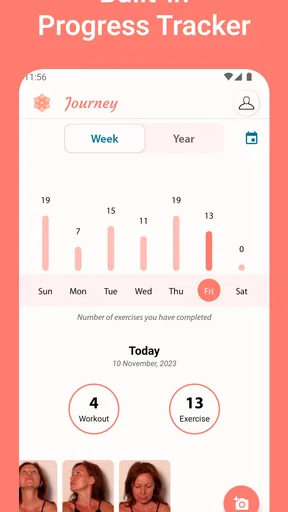
Another cool feature is the personalization aspect. The app allows you to set goals and track your progress over time. It’s like having a personal trainer for your face. You can also schedule reminders so you never skip a session. I personally loved this feature because, let’s face it, life gets busy, and a little nudge is always welcome.
Who benefits most—and how to use it well
Faceauty suits someone who wants a guided, at-home routine and appreciates seeing a movement demonstrated rather than trying to remember written directions. The exercises aimed at different facial areas give a beginner somewhere to start, while goals and progress tracking can make repetition feel purposeful. I’d use those tools to build a gentle habit, not to judge my face against a fixed standard. A log is most useful when it helps you notice consistency, not when it turns normal day-to-day changes into a scorecard.
For example, after a long day at a desk, I might set aside a quiet few minutes, pick an exercise for the area that feels tense, and follow the video at a comfortable pace. If I’m rushing between tasks, I’d skip the session rather than race through the movements. This is one of the app’s practical trade-offs: reminders can bring a routine to mind, but they cannot make a distracted session feel restorative. I’d schedule a prompt for a time when I can actually pause, and turn that nudge into a cue to relax rather than a demand to meet a streak.
There is also a useful distinction between a beauty routine and a health concern. Faceauty can offer structure for facial exercises and tips, but I would not use it to diagnose pain, manage a skin condition, or replace professional advice. If a movement feels uncomfortable, stop instead of pushing through just to complete a routine. People looking for clinical guidance, individualized treatment, or evidence-backed rehabilitation should choose a qualified professional or a purpose-built resource instead.
How it differs from simpler alternatives
Compared with searching for a random face-yoga video each time, a dedicated app can make it easier to return to a routine, choose a target area, and keep track of personal goals in one place. The video demonstrations are particularly helpful when a movement is unfamiliar, because facial gestures can be hard to interpret from a written description alone. On the other hand, a notebook and a few remembered movements may suit someone who wants no reminders, no tracking, and a completely self-directed practice. Faceauty’s structure is an advantage only if you find guidance motivating rather than fussy.
It also differs from a general meditation app: its focus is facial movement and face-health tips, not a broad program for relaxation. I’d choose it when I want a visual guide for exercising my face; I’d choose meditation, stretching, or a break away from screens if my main need is to settle my thoughts or ease body-wide tension. That boundary keeps expectations grounded. Enjoying a routine is a worthwhile reason to use it, but I would not treat claims about circulation, elasticity, or a youthful appearance as guaranteed outcomes.
Why You’ll Love It
So, why should you even consider face yoga? Well, it’s all about natural beauty enhancement. The exercises are designed to stimulate blood circulation, improve skin elasticity, and reduce tension. I found it incredibly relaxing—like meditation for the face. Plus, doing these exercises regularly might just give you that youthful glow everyone’s after.
Another aspect I enjoyed was the community feel. The app has a section where users share their progress and tips. It’s motivating to see others on the same journey, cheering each other on. It’s like a little face yoga family, and who wouldn’t want to be part of that?
What I would check before committing
The first session is a good time to test the practical details that affect whether you will return: try a video on your usual connection, confirm that the movement is easy to see, and notice whether the instructions make sense at your pace. I’ve already found the occasional video-loading hiccup worth keeping in mind, so I wouldn’t build a routine around squeezing in a session at the last possible moment. A little breathing room makes the experience less frustrating if a clip takes time to load.
I would also be selective about how I use the community section. Other people’s progress can be encouraging, but comparisons can pull attention away from what the exercise feels like for you. Treat shared tips as conversation, not personalized instruction, and keep your own goals modest and comfortable. If you prefer a completely private routine, the social element may not be a draw; you can focus on the guided exercises and use the app in a more individual way.
For someone deciding whether to try it, the practical questions are fairly straightforward. It is free to download, but optional purchases mean it is wise to review what is offered before spending. The age rating is Everyone, though parents may still want to guide how younger household members interpret beauty-focused content. The app is from VDMNSZK Ltd.; it has a 4.2 average from around 2.5 thousand ratings and over 100 thousand installs. It was released on November 3, 2017, and version 4.2.0 requires Android 7.0 or later. Those details help set expectations, but the best test is whether the demonstrations and routine suit your own habits.
Things to Keep in Mind
While the app is mostly a joy to use, there are a couple of things to bear in mind. If you’re expecting overnight results, you might need to manage your expectations. Like any exercise, consistency is key. Also, some of the exercises might feel a bit silly at first. But hey, if it gets you that glowing skin, who cares, right?
One minor hiccup I noticed was the occasional glitch in video loading. It wasn’t a dealbreaker, but it’s something to be aware of. Hopefully, future updates will smooth these out.
Final Thoughts
All in all, Faceauty: Face Yoga Exercise is a charming app that brings something unique to the table. It’s easy to use, packed with features, and offers a refreshing take on self-care. If you’re looking to add a little fun to your skincare routine, this app is definitely worth trying out. Go ahead, give your face a workout, and see the magic unfold!
Ready to embark on your face yoga journey? You can find the app on the Google Play Store and Apple App Store. Happy face lifting!
My household verdict
I’d recommend Faceauty to an adult who wants a visual guide, a light self-care ritual, and a way to keep personal goals in view. It is less suited to someone seeking medical advice, guaranteed cosmetic results, or an entirely private, untracked experience. In a shared home, the simplest approach is to keep practice voluntary, agree on when a shared device is available, and be mindful of purchases and personal activity. Used with those boundaries, it can be a pleasant addition to an individual routine without asking the whole household to join in.
Pros
- Improves facial muscle tone effectively.
- Easy-to-follow guided exercises.
- No equipment needed
- just your phone.
- Perfect for quick daily routines.
- Enhances skin elasticity naturally.
Cons
- Limited free content available.
- In-app purchases can add up.
- No offline access to exercises.
- Requires daily commitment for results.
- Some exercises may feel repetitive.
FAQs for Faceauty: Face Yoga Exercise
What is Faceauty: Face Yoga Exercise designed to do?
Faceauty: Face Yoga Exercise is designed to help users enhance their facial appearance through a series of targeted facial exercises. The app provides guided routines that aim to tone facial muscles, improve skin elasticity, and promote a youthful appearance. It's a holistic approach to facial care, combining fitness and wellness practices.
How user-friendly is the Faceauty app for beginners?
Faceauty is highly user-friendly, making it accessible for beginners. The app features an intuitive interface with step-by-step instructions and video demonstrations for each exercise. Users can easily navigate through different routines, track their progress, and customize their exercise plans based on individual goals and preferences.
Does Faceauty offer personalized exercise plans?
Yes, Faceauty offers personalized exercise plans tailored to individual user needs. Upon initial setup, users can input their specific goals and preferences, and the app will generate a customized workout plan. This personalization helps ensure that users get the most effective results based on their unique facial structure and desired outcomes.
Is there a cost associated with using Faceauty: Face Yoga Exercise?
Faceauty offers both free and premium versions. The free version includes basic exercises and features, while the premium version unlocks advanced routines, personalized plans, and additional tools for enhanced results. Users can opt for a subscription based on their needs and budget, with transparent pricing details available within the app.
What devices are compatible with Faceauty: Face Yoga Exercise?
Faceauty is compatible with most Android and iOS devices. The app is optimized for both smartphones and tablets, ensuring a seamless experience across various screen sizes. Users should ensure their device meets the minimum operating system requirements for optimal performance and access to all features.


